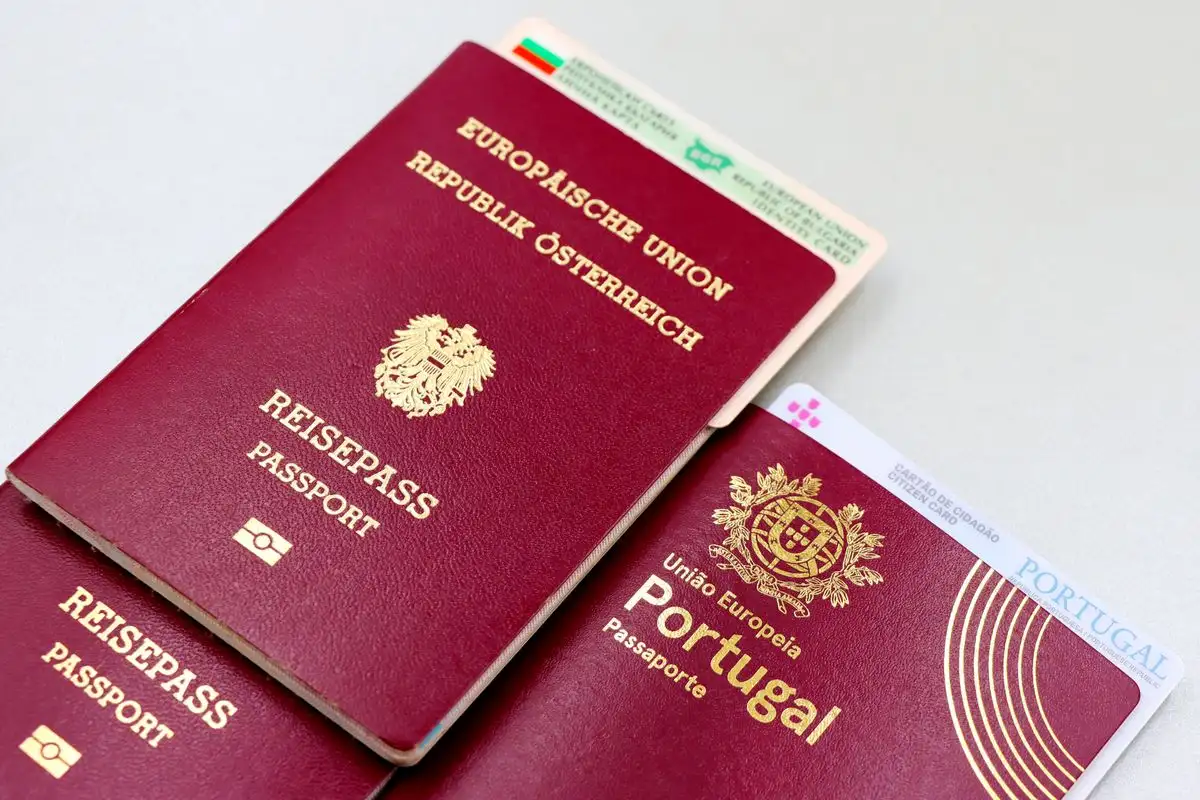
If you're coming to Cyprus from outside the EU to work as a nanny, housemaid or carer, the permit is the part that causes the most confusion — partly because most of the process happens on your employer's side, not yours. This guide explains it from your point of view: what has to happen, what the “pink slip” actually is, and the pay and rights the permit guarantees you. It covers the Republic of Cyprus only; the north (KKTC) runs a separate system with different rules.
How the permit works from your side
The first thing to know is that you can't apply on your own. A domestic-work permit is employer-led: a Cyprus family (or an authorised representative acting for them) applies for you, for one specific household. No job, no application — which is why finding the role comes first, covered in our guide to finding domestic work.
Once a family wants to hire you, the steps run roughly like this:
- The contract and application. Your employer signs the official Contract of Employment (form MDW3) and files the entry-permit application with the Migration Department. It comes with your documents — a passport valid well beyond the permit, medical test results, a clear criminal-record certificate from your home country, and proof of basic Greek or English — all officially translated and certified.
- The examination. The Department aims to examine a complete application within four months. If documents are missing, the clock stops until it's put right — so a well-prepared application is in everyone's interest.
- Entry and registration. With the entry permit granted, you travel to Cyprus. After you arrive you register in the Aliens Register and give your biometric data — a photo and fingerprints — and the temporary residence and work permit is issued. Your biometrics are taken again each time the permit is renewed.
The pink slip explained
People in Cyprus often talk about the “pink slip”, and it causes needless worry because nobody explains it plainly. “Pink slip” is just an informal nickname for the temporary residence permit — the document that shows you're registered to live in Cyprus. For a domestic worker, the relevant document is your temporary residence and work permit, which bundles your right to reside with your right to work for that household.
A few plain facts settle most of the questions people have about it. It can last up to three consecutive years. There is no maximum overall length of stay for domestic workers, so it can be renewed as long as you're employed — you won't be forced out after a fixed number of years, whatever older guides claim. And renewal means giving your biometrics again, so keep an eye on the expiry date and don't let it lapse.
Your pay and entitlements
The permit isn't just paperwork — it comes with a floor of rights that your employer can't contract below. These are set out in the official domestic-worker contract:
| What you're entitled to | The rule |
|---|---|
| Pay | At least €460 a month gross, the same whatever your country of origin; Social Insurance and health contributions are deducted, plus up to 15% for food and 10% for accommodation if you live in |
| Working time | 6 days a week, 7 hours a day — so one rest day a week |
| Annual leave | 24 working days of paid leave a year |
| Sick leave | 30 days on full pay (the first 3 unpaid unless you're hospitalised in a private clinic) |
| Public holidays | 9 named public holidays on full pay |
| Your room | A private room if you live in your employer's home |
| Your bank account | A Euro bank account opened in your own name, with your salary paid into it each month |
| Medical cover | Primary and secondary medical care, with the cost shared equally between you and your employer |
| Fees you never pay | Permit, first-arrival travel and agency fees can never be deducted from your pay |
Treat €460 as the legal minimum, not the going rate — many workers earn more, especially with experience. What families actually pay, with sources, is in our salary guide, and the full contract, clause by clause, is in the contract guide.
Changing employer
Your permit is tied to one household, but you're not locked to a single family for good. You may change employer at most twice — three employers in total— unless the new employer is a relative up to the second degree, or is over 75, in which case that cap doesn't apply. To move, you need the signed release document from your previous employer together with a detailed statement from the Social Insurance Services.
Some situations don't count as a “change” at all, so they don't use up your two moves: your employer dying, moving into a nursing home, or emigrating; a criminal offence by the employer against you; or a decision of the Department of Labour Relations in your favour. That last point matters — it means standing up for your rights can never cost you a move.
If something goes wrong
If you're not being paid properly, or you're treated in a way that breaks the contract, you have a route. The Department of Labour Relations is the official channel for a dispute over pay or treatment, and — as above — a decision there in your favour doesn't count against your change-of-employer limit.
Two protections are worth repeating because they're so often abused. Nobody may hold your passport or personal documents without your written consent. And your wages must go into a bank account in your own name, so they can't be skimmed on the way to you. If either of those is being ignored, that's a serious sign, not a grey area.
None of this has to be daunting. Knowing the rules is what turns a permit from something that happens to you into something that protects you. When you're ready to find a role, create your free profile and let families come to you — it costs you nothing.