Live-in or live-out is the first real fork in every Cyprus hiring decision — and it's not one arrangement with two addresses. They're two different markets, with different workers, different rules and costs that aren't as far apart as the headline numbers suggest. Here's the honest comparison, with 2026 figures.
What live-in actually means in Cyprus
In Cyprus, "live-in" almost always means a third-country national employed under the Migration Department's domestic-work permit scheme — the framework most Filipino, Sri Lankan and Nepali housemaids and carers work under. The scheme is built around the worker living with you, and it comes with fixed rules rather than negotiable ones:
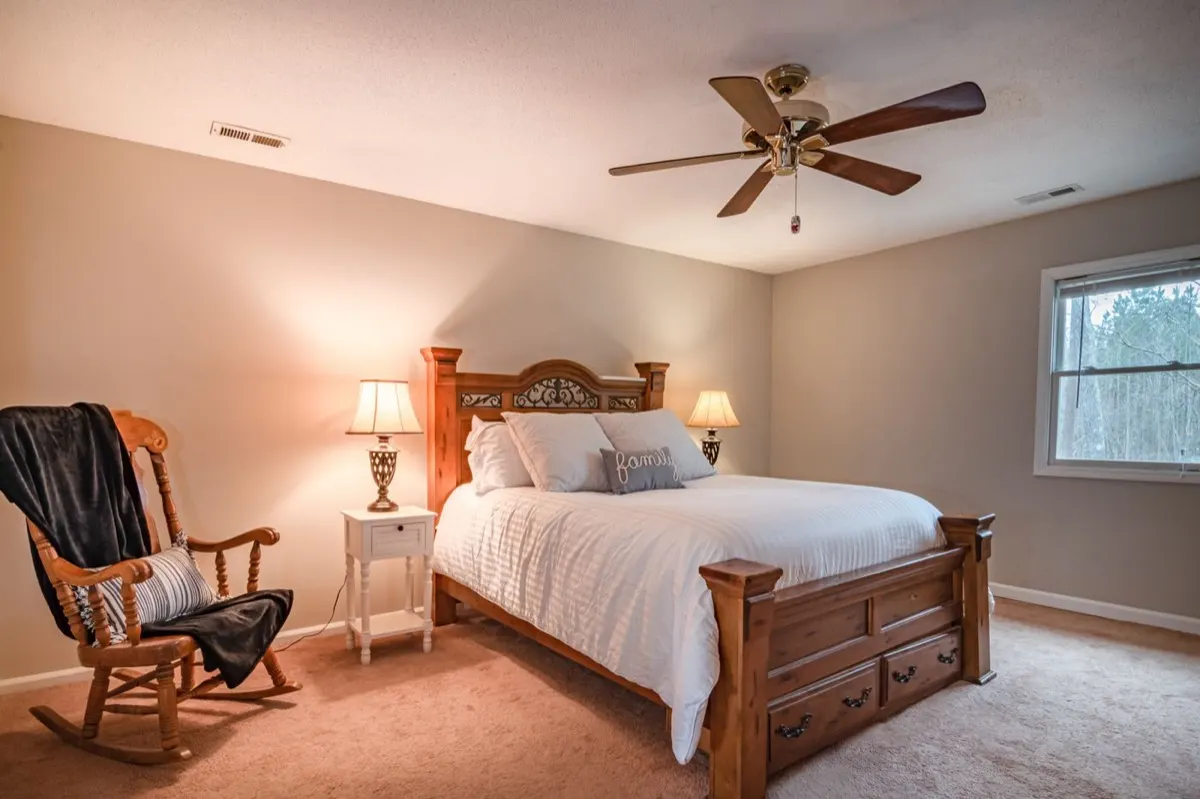
- A private room is a legal requirement— within your home, in an outbuilding, or in a rented building. A couch or a shared corner doesn't qualify.
- Pay starts at €460 a month gross plus the room and food you provide. The only permitted board-and-lodging deductions are 15% for food and 10% for accommodation — a hard cap of 25% off gross, on top of the worker's own social-insurance and GESY contributions.
- Your household must qualify — income criteria starting at €24,000 a year (scaling with dependent children, and dropping to €18,000 for a person over 65 living alone), a formal contract, and a permit application in your name.
The scheme applies in the Republic of Cyprus only. The full process — eligibility, documents, timelines, obligations — is in our step-by-step hiring guide; this guide is about choosing the arrangement in the first place.
Cost comparison: live-in vs live-out
All live-out figures below are 2026 market rates — advertised asks and platform averages, since no official body sets them. Live-in figures are the regulated package.
| Live-in (permit scheme) | Live-out (open market) | |
|---|---|---|
| Headline pay | €460/month gross minimum | €900–€2,000/month asked for full-time roles |
| On top of that | Employer contributions ~15.4% (≈ €71), health cover shared 50/50, liability insurance, one-off permit costs | Employer contributions ~15.4% when you employ directly |
| You also provide | A private room, food, utilities | Nothing beyond the wage |
| Typical monthly cash | ≈ €531 before insurance; open-market live-in asks run €600–€1,500 | €900–€2,000 full-time; ~€450 for part-time (~20 h/week); €7–€16 hourly |
So yes — live-in is cheaper in cash, often by several hundred euros a month. But the honest comparison isn't cash against cash: a live-in worker adds a person to your household bills, occupies a room you could use otherwise, and puts permit obligations and one-off costs (flights, medicals, translations, a permit fee that officialdom sets by legislation but doesn't publish) on your side of the ledger. Hourly childcare, for reference, averages €11–€14 across the cities. The full pay picture — every rate, sourced — is in the 2026 salary guide.
The practicalities nobody mentions
Privacy runs both directions. The private room is the legal floor, not the whole answer. Sharing your home means someone in the kitchen at breakfast, and it means the worker's evenings happen in your house too. Families who thrive with live-in help treat the worker's off-hours as genuinely off; families who struggle usually never drew that line.
The admin is real but front-loaded. For live-in hires: salary must be paid into a euro bank account in the worker's own name, contributions registered and paid monthly, and the permit renewed on cycle (permits run up to three years at a time, with no maximum stay). Live-out hires skip the permit but keep the employer basics — declaring the hire before it starts and paying contributions.
Live-out flexibility cuts both ways. A live-out helper arrives fresh and goes home — but evening cover, sick children and schedule changes are negotiations, not assumptions. If your need is genuinely unpredictable, that's a live-in signal.
Which setup suits which family
| Your situation | What usually fits |
|---|---|
| Newborn, shift work, or genuinely unpredictable hours | Live-in — coverage flexes with the day |
| An elderly parent who needs someone present all day | A live-in carer — see our elderly-care guide |
| Both parents working roughly 9–5 | Full-time live-out nanny or housekeeper |
| School pickups and a few afternoons | Part-time live-out (~20 h/week arrangements exist) |
| Occasional evenings out | Hourly babysitting — a different market entirely |
The room question decides plenty of cases by itself: no spare private room, no live-in — the requirement isn't waivable.
Live-out: no permit, different rules
The live-out market is mostly EU and local workers, because they need no work permit at all — EU citizens have free access to employment in Cyprus. An EU worker staying beyond three months registers for a registration certificate (the MEU1, €20, decided within a month); as the employer you still register with the Social Insurance Services and declare the hire through ERGANI no later than a day before work starts, then pay contributions on top of the wage.
One number to unlearn for live-out hiring: the €460 floor. That figure belongs to the live-in permit package and has no bearing on live-out rates — full-time live-out help is asked at €900–€2,000 a month, and while domestic workers are excluded from the national minimum wage, offers below it (€1,088 after six months' service) struggle to attract experienced candidates. When you're ready to test the market either way, post a job free stating live-in or live-out and the pay you have in mind — helpers who are interested respond, and you choose who to contact. You can also browse housemaid and carer profiles, which state each helper's live-in preference.